
Put a budget around the work.
Estimate a small railroad project budget from your quantities, unit costs, contingency, and committed funding. Export a CSV or print your worksheet.
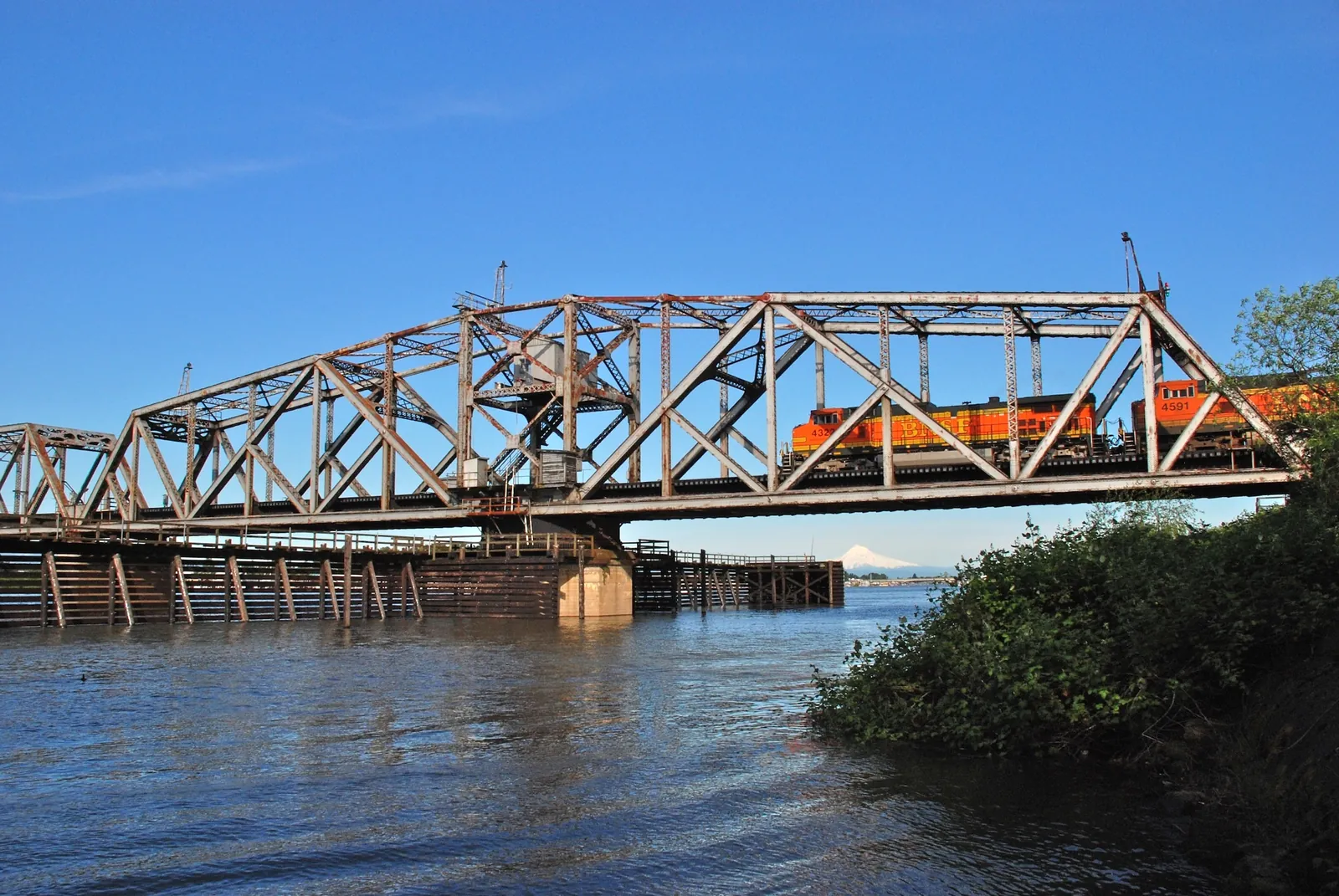

Build a first capital budget
Add your own project quantities, quoted unit costs, and contingency allowances. Compare the total with funding you have already committed. All amounts are in U.S. dollars (USD).
This is an arithmetic worksheet for planning discussions. It does not inspect track, establish safe operating conditions, determine regulatory compliance, recommend which work to defer, or select investments. Use qualified railroad professionals to define scope and priorities.
Illustrative example loaded. Every quantity and price below is invented solely to demonstrate the calculation. These are not railroad cost benchmarks, quotes, or recommended contingency levels. Replace them with your own estimates.
Your worksheet is empty. Select “Add a project” to start with your own estimates, or load a clearly labeled illustrative example.
Project name, scope category, quantity, and unit cost are required for each row. Enter plain non-negative numbers with up to six decimal places, without commas or currency symbols. Blank contingency means 0%. Scroll horizontally to see every column on smaller screens.
| Project name | Scope category | Unit label | Quantity | Unit cost (USD) | Contingency (%) | Estimated total (USD) | Action |
|---|
- Base project costs
- $0.00
- Contingency allowances
- $0.00
- Total estimated cost
- $0.00
- Committed funding
- $0.00
- Funding gap
- $0.00
Complete or correct the highlighted fields to calculate the full budget and enable export.
For each project, base cost is quantity × unit cost. Base cost is rounded to cents; contingency is calculated from that rounded base and rounded to cents. Totals add those rounded amounts. Funding is rounded to cents. Include applicable design, access, mobilization, taxes, disposal, permits, and other costs in your own scope or separate rows. This worksheet does not estimate them.
Project entries are processed in this page only. This worksheet does not upload, send, or save them in your browser. Download the Excel-compatible CSV or choose Print / Save as PDF before leaving or reloading the page. Loading the example or resetting clears current entries. In the print dialog, choose Save as PDF for a PDF copy. CSV is an export; importing it back into this worksheet is not supported.
Keep the estimate traceable.
Save the quotes, dates, units, exclusions, and assumptions behind each line. The worksheet totals the values you enter; it does not supply current market prices or check whether a project scope is complete.
For the full planning sequence, read the small railroad capital planning guide. For how to group the work, use the maintenance of way planning guide.