

Track geometry information is easier to use when the team can trace every result to its collection context, location and review. For a small railroad, the first useful improvement may be a disciplined file and follow-up process. A dashboard becomes valuable after those foundations work and the team knows which planning question it needs to answer.
Start with the question the data should answer
Before commissioning a survey or purchasing software, write down the question. Do you need consistent locations for reviewed observations, a record of follow-up, better access to historical reports or information for planning a project investigation? Each purpose calls for a different view of the data and a different level of technical involvement.
Specify the decision the information will support. A planner may need to know whether a finding has been reviewed and linked to a work item. A qualified technical reviewer may need the underlying measurement context. Giving both people the same unexplained chart can leave both tasks unfinished.
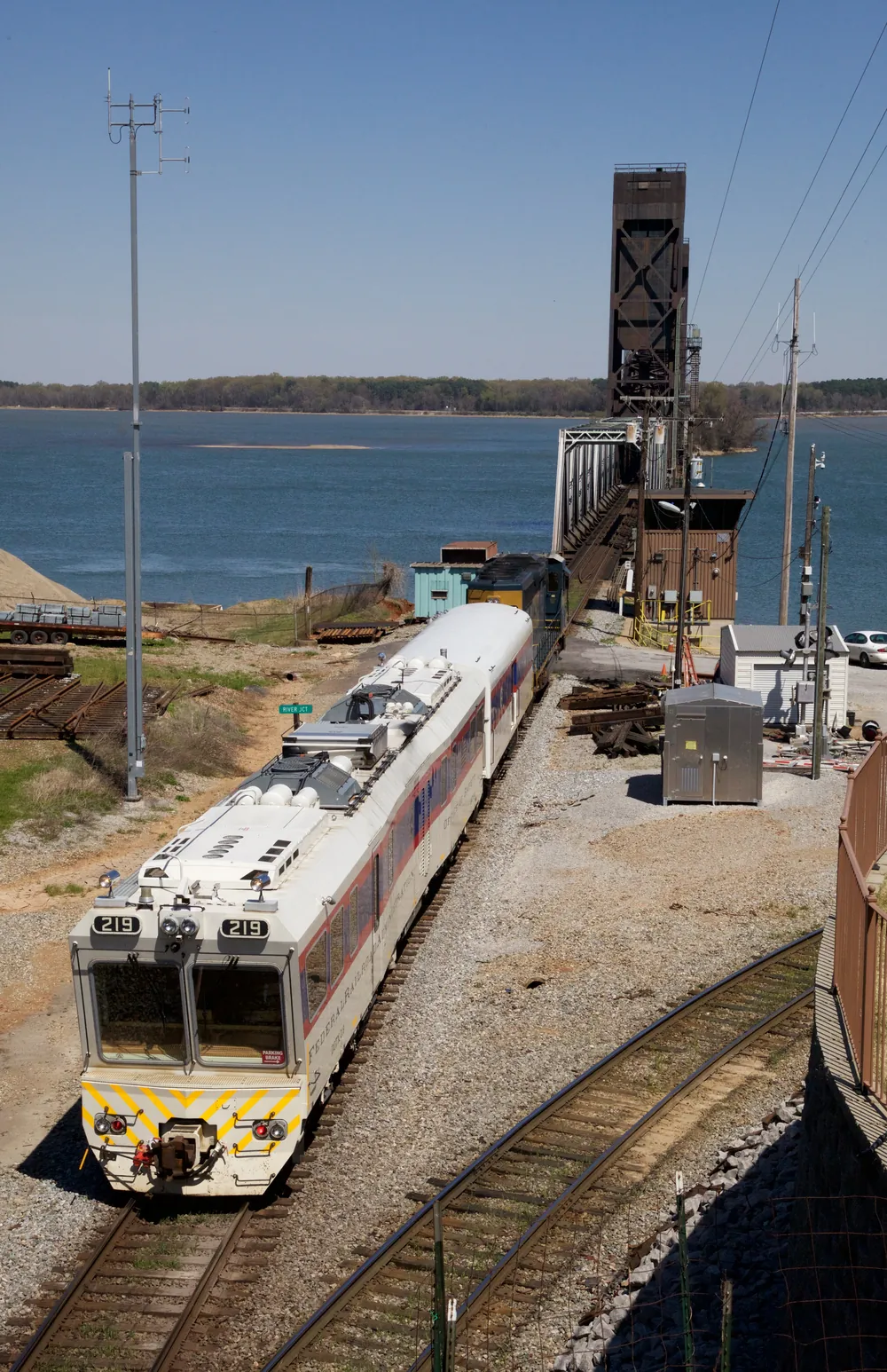
FRA’s Automated Track Inspection Program describes uses of track-condition information that include maintenance planning, asset inventory and mapping. Those examples show the value of organized information; they do not establish that any commercial product is suitable for a particular railroad.
This guide addresses data management and planning handoffs. It does not provide defect thresholds, inspection intervals or repair instructions. Accountable railroad personnel and qualified specialists must determine applicable requirements, collection suitability, interpretation and any required response independently of a software purchasing decision.
Keep measurements, interpretation and decisions separate
A measurement is a result collected under particular conditions. An interpretation explains what a qualified reviewer concludes from that evidence. An authorized action identifies the approved next step. These records are connected, but they should not be collapsed into one software status.
Preserve the provider’s field names and definitions alongside any simplified display labels. Terms that look familiar can conceal different units, processing methods or reference conventions. Ask for an explanation when a field is unclear instead of assigning it a meaning based on the column heading alone.
The federal Track Safety Standards in 49 CFR Part 213 include provisions addressing track geometry. Their application requires the relevant circumstances and qualified review. A planning page should link to the authoritative material rather than reproduce isolated limits as if they were a universal decision rule.
Use distinct fields for provider output, reviewer conclusion, required follow-up and administrative progress. This allows the team to see an unresolved review even when a file has already been uploaded successfully. Successful data import is a software event, not a technical acceptance.
Specify a usable data delivery
Ask for a sample delivery before choosing a provider or application. Have the people who will review and maintain the records try to open it. Confirm the format, field definitions and included documentation in writing. A promise that data can be exported is less useful than an export the team can actually use.
| Request | Planning purpose |
|---|---|
| Track and location references | Connect results with the correct asset. |
| Collection date and method | Preserve measurement context and origin. |
| Units and field definitions | Make columns interpretable and transferable. |
| Coverage and quality notes | Identify gaps and stated limitations. |
| Readable report and usable export | Support review and future migration. |
| Revision and processing information | Distinguish original and revised deliveries. |
Clarify what technical support accompanies the delivery and what requires a separate service. Ask who resolves uncertain locations, missing files or disputed field definitions. A small railroad benefits from knowing those responsibilities before the information arrives.
Also confirm data access and export rights in the actual agreement. Do not assume that viewing a hosted dashboard means the railroad can obtain all underlying records when a subscription ends.
Preserve the original record and location context
Store the original delivery separately from working copies. Give the dataset a stable identifier and retain its report, export, supporting documentation and delivery correspondence together. Where a provider issues a correction, preserve the relationship between versions rather than silently overwriting the earlier file.
Document the location system: track designation, segment boundaries, direction conventions and reference points. If the railroad uses several location systems, keep their relationship explicit. A milepoint label without a track designation may not identify a unique place.
Record any transformation applied to a working copy, including unit conversion, field renaming, location reconciliation or filtering. Keep the method, date and responsible person. Someone reviewing a chart later should be able to trace it back to the unmodified source.
Do not merge points solely because their location labels look similar. Have the relevant reviewer resolve uncertain matches. An incorrect match can attach a valid observation to the wrong work item and make a polished dashboard misleading. Label unresolved location questions visibly until they are answered.
Build a small catalog before building a large dashboard
Create a dataset catalog with one entry per delivery. Include the dataset ID, collection date, covered tracks, source, file location, review owner and current status. Link the original report and the documented export. This provides a searchable inventory without requiring every measurement to enter a new database.
Add a short field dictionary for the values the planning team actually uses. Record the source definition, unit and any display conversion. If a vendor changes an export format, the dictionary helps explain why an existing workflow may need revision.
Distinguish an empty value from zero and from unavailable coverage. Preserve the provider’s documented meaning for missing or flagged values. A software import should not turn missing information into an apparently normal reading merely because a numeric column needs a value.
Test retrieval with someone who did not organize the files. Ask them to find the original dataset, explain its coverage and locate the related review. If that task is difficult, improve the catalog before adding more charts. Retrieval is a practical measure of whether the information system is usable.
Compare surveys only after checking comparability
A change-over-time chart can look persuasive even when its records do not support the comparison. Have a qualified reviewer establish whether the datasets are suitable for the intended analysis. Check location alignment, collection methods, units, processing, coverage and documented limitations.
Retain the comparability decision with the output. Identify which segments or fields were included, which were excluded and why. If the comparison is provisional, display that status where the chart is used rather than leaving the qualification in a separate document that readers may never open.
In a hypothetical example, two survey files contain the same milepoint label but use different segment boundaries. The planning team preserves both originals and requests reconciliation. It does not call the apparent difference deterioration or improvement until the location and technical context have been reviewed.
Avoid treating a change in the number of reported flags as a complete trend by itself. Ask whether coverage, reporting settings or processing changed. The useful planning outcome may be a list of records needing review rather than a single percentage that hides those differences.
Make the review queue actionable
Give every item awaiting review an identifier, source link, location reference, assigned reviewer and next action. Keep provider flags distinct from the railroad’s review conclusions. If the same underlying finding appears in several reports, link the records so staff do not unknowingly create duplicate follow-up.
Use administrative statuses that describe the actual stage: awaiting assignment, under review, clarification requested or review recorded. These labels should not imply a technical severity or operating decision. Keep the railroad’s required response process visible and separate from optional reporting enhancements.
When clarification is needed, write the question precisely. For example, the reviewer may need a field definition, a location reconciliation or an explanation of missing coverage. Record who was asked and when the answer is expected. A vague unresolved note rarely helps the next person finish the task.
Capture the review conclusion, responsible person, date and supporting references. Where a later revision changes the conclusion, retain the earlier record and explain the change. This history can matter when planners need to understand why a scope was developed or altered.
Connect reviewed findings to a defined next step
After appropriate review, link the finding to the documented action, investigation or work package. Keep the measurement, interpretation and approved scope separately identifiable. The planning team should be able to follow the chain without mistaking a provider alert for an authorized repair.
An approved scope still needs a quantity basis, access arrangements, delivery responsibilities and estimate assumptions. The geometry file alone does not describe all construction costs. Bring the relevant reviewed information into the project record and identify what remains unknown. Use the project scope builder to organize these planning details.
Connect the resulting work item to the maintenance of way register or capital plan as appropriate. Use identifiers to avoid double-counting one scope in several systems. Each view can serve a different audience while pointing to the same evidence.
When work is completed, retain the closeout evidence with the linked work item. Any subsequent measurement or technical acceptance must be evaluated under the applicable process. A changed chart color or a manually checked box does not establish that the underlying condition has been resolved.
Pilot the workflow with one manageable dataset
Choose a limited pilot with a named owner, a defined purpose and a small set of questions. Use records the railroad is authorized to handle, and make sure the pilot does not displace required review or response. The pilot’s objective is to test information handling, not to certify an inspection method.
Ask users to complete a few realistic tasks: find a source record, identify its location conventions, record a review reference and hand off a follow-up item. Note where they need help. A dashboard that looks impressive but makes those tasks harder has not solved the planning problem.
Check exports as part of the pilot. Confirm that identifiers, meaningful notes and links survive transfer into a usable file. Ask what happens when a user leaves, a subscription changes or the railroad needs a complete archive. Test the actual process instead of relying on marketing language.
Evaluate the staff effort required to maintain the system. Importing files, correcting mappings and managing access are ongoing tasks. Include them in the railroad technology decision alongside licensing, training and support, even if the first demonstration is free.
Control what you share with providers and applications
Decide which records a provider or application actually needs for the proposed task. A demonstration may be possible with a clearly labeled sample dataset or a limited extract. Do not upload unrelated operational records simply because a trial account permits large files.
Ask where data is stored, who can access it, how access is removed and how records are returned or deleted under the agreement. Keep answers with the technology evaluation. These questions help the railroad understand its responsibilities without assuming that every product has the same hosting model.
Review exported files before sharing them. Notes and attachments can contain information beyond the measurements shown on a dashboard. Assign responsibility for approving external sharing and use the railroad’s applicable information-handling procedures.
For a browser-only prototype, confirm whether it sends information anywhere or merely works locally, and understand what happens when the page closes. Local processing can reduce setup effort, but it still needs a clear export and recordkeeping process if the output will support real planning.
Keep the information useful after the pilot
Define who owns the catalog, who can edit working records and who can approve review conclusions. Give another responsible person enough access and documentation to cover an absence. Keep authoritative originals protected from accidental edits while making approved working copies available to the people who need them.
Establish an appropriate backup and recovery process for the chosen tools. Verify that a saved copy can be retrieved and understood, including its supporting definitions. A folder full of undocumented exports is not a useful recovery plan if nobody knows which file belongs to which delivery.
Review the workflow when providers, collection methods or export formats change. Update field mappings and document the change before comparing new data with older records. Small changes to column names or location conventions can create larger misunderstandings if they pass unnoticed.
Expand only after the core tasks are reliable. More datasets, maps or automation should answer a concrete question and preserve traceability. For a small railroad, the valuable result is a clear path from evidence to qualified review to documented follow-up, supported by software that the team can maintain.
Six common questions
What can track geometry data support?
Appropriately collected and reviewed data can support technical evaluation, follow-up and maintenance planning. This guide covers information management; it does not interpret measurements or determine track condition.
Can an app decide the required repair?
A software alert is not a complete diagnosis or approved scope. Qualified review must consider measurement context and applicable requirements before the railroad determines the response.
Do we need a dashboard to get started?
No. Begin with a catalog, reliable locations, accessible original files and a review owner. Add a dashboard when it simplifies a defined task and preserves source traceability.
Can two surveys be compared automatically?
First establish suitability for the intended comparison. Location alignment, units, methods, processing and coverage matter. Preserve review notes and unresolved limitations with the output.
What should a provider supply?
Request sample reports and exports, field definitions, units, location conventions, collection details, coverage notes and revision information. Clarify support responsibilities and contractual provisions for access and export.
Does a geometry survey replace other inspection responsibilities?
Do not assume it does. Accountable personnel determine the inspections, records and responses applicable to the railroad. A data-management workflow cannot authorize substitution for those responsibilities.
Sources and further reading
Official references support the factual context. The planning workflow and examples are this resource’s suggested way to organize a decision.